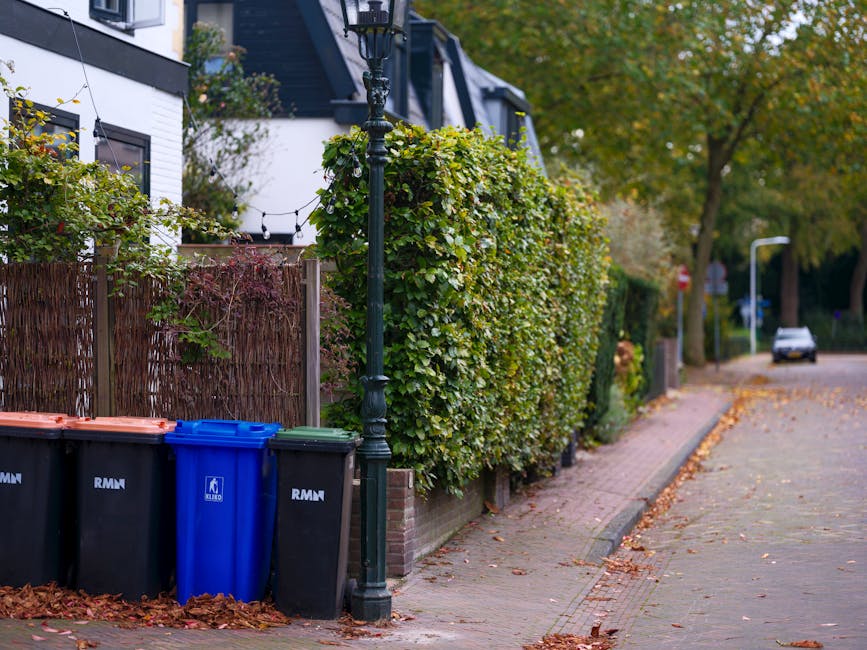
Richmond Council garden waste rules for Twickenham gardeners

If you garden in Twickenham, the rules around green waste can feel oddly specific at first. One minute you are pruning a hedge or clearing a border, and the next you are wondering whether that pile of cuttings can go in the garden waste bin, needs to be bundled differently, or should be taken away another way altogether. That is exactly why Richmond Council garden waste rules for Twickenham gardeners matter: they help you keep your garden tidy, avoid rejected collections, and make sure organic waste is handled properly.
This guide breaks the subject down in plain English. We will look at what the rules mean in practice, how they affect everyday gardening jobs, where mistakes usually happen, and what a sensible, compliant workflow looks like for homeowners, landlords, and local gardeners alike. Truth be told, once you understand the basics, it gets much easier.
Why Richmond Council garden waste rules for Twickenham gardeners Matters
Garden waste is one of those things that looks simple until you are standing over a full trug, a broken bag, and a wheelie bin that is already half full. For Twickenham gardeners, following the local rules matters for three main reasons: collections, cleanliness, and compliance. If your waste is sorted badly, it may not be collected. If it is left in the wrong place, it can attract pests, create odours, or make shared outdoor spaces messy. And if you are a professional gardener, poor handling can reflect badly on your service.
Twickenham sits inside a borough where space is often tight and gardens can vary a lot, from compact terraces to larger family plots. That means garden waste is rarely just "grass cuttings." It may include hedge trimmings, leaves, ivy, soil, small branches, and the odd bit of old planting material. Each material behaves differently once it is bagged, stacked, or left out for collection, so the practical details matter more than people expect.
There is also a sustainability angle here. Garden waste, when separated correctly, is usually much easier to recycle or compost than mixed rubbish. That helps reduce contamination in the waste stream and makes the whole process more efficient. If you are already thinking about greener garden care, the recycling and sustainability approach on the site is a useful mindset to adopt alongside local collection rules.
Expert summary: the safest approach is to treat garden waste as a separate stream, keep it clean and uncontaminated, and plan collections or removals around what Richmond Council is likely to accept rather than hoping it will all somehow sort itself out. It usually does not.
How Richmond Council garden waste rules for Twickenham gardeners Works
In practical terms, garden waste rules usually come down to what can be placed in the garden waste service, how it should be presented, and what should not go in with it. While details can change, the general expectation is that garden waste should be clean, organic, and free from non-garden contamination such as plastic, metal, rubble, bags, and general household rubbish.
For many Twickenham households, that means routine green waste from day-to-day upkeep is the easiest part to manage. Grass clippings, weeds, small prunings, leaves, and hedge trimmings usually fit the category neatly. Heavier or dirtier materials, however, can be more awkward. Soil, turf, roots, and woody waste may need separate handling depending on quantity and condition. That is where a lot of confusion starts.
It also helps to think about timing. A small amount of waste from weekly maintenance is different from the aftermath of a big clear-out. If you have just completed a major seasonal cutback, a full border redesign, or a hedge reduction, you may generate far more waste than a standard collection is convenient for. In that case, a planned clearance approach is often better than overstuffing bins and hoping for the best.
For larger jobs, it may be more efficient to combine local collection with a dedicated service such as garden clearance, especially if there are branches, clippings, and mixed organic debris all arriving at once. That tends to be less stressful than trying to make one bin do the work of three.
There is usually a simple rule of thumb worth remembering:
- Clean, natural garden waste is the easiest to handle.
- Mixed or contaminated waste is where collections commonly go wrong.
- Oversized or heavy material often needs a separate plan.
If you are dealing with hedge work, regular trimming, or seasonal cutbacks, the habits that work best are the same ones used by good gardeners everywhere: cut, collect, separate, and remove in manageable stages. A tidy workflow saves time later. Always does.
Key Benefits and Practical Advantages
Following garden waste rules is not only about avoiding a rejected bin. It brings several small but important benefits that add up over time. For one thing, your garden stays cleaner. Piles of cuttings left in damp weather can start to smell earthy and heavy, and nobody wants that sitting against a fence for three days after a wet spell.
It also makes your maintenance routine more efficient. When waste is sorted as you work, you spend less time rehandling it later. That is a big deal during a long afternoon job, especially if you are mowing, trimming, and clearing borders in one visit. The job feels calmer when waste is handled properly from the start.
There is a professional benefit too. If you run a gardening or grounds maintenance service, being able to explain how waste will be handled builds trust immediately. Clients notice. They may not say much, but they do notice whether the driveway is left spotless or whether bags are stacked neatly and taken away in a planned way.
Here are the practical advantages in short form:
- fewer collection issues
- less mess and odour around the property
- better use of time during maintenance visits
- more reliable planning for seasonal jobs
- stronger sustainability outcomes
- a tidier, more professional finish
If you regularly combine mowing, hedge work, and border tidying, the workflow becomes even smoother when those tasks are planned together. Services like lawn mowing, hedge trimming, and garden maintenance often produce waste in predictable patterns, so you can prepare for them rather than react after the fact.
Who This Is For and When It Makes Sense
These rules matter to a surprisingly wide group of people. Homeowners in Twickenham obviously need them, but they are just as relevant to landlords, letting agents, small businesses with planted areas, and anyone managing a shared outdoor space.
You will especially want to pay attention if you are:
- doing regular garden upkeep at home
- clearing an overgrown garden after a long break
- preparing a property for sale or rental
- managing hedges, lawns, or borders on a schedule
- coordinating work across several outdoor tasks at once
It makes sense to think beyond the bin when the job is larger than usual. For example, after a hedge reduction or tree pruning, the volume can jump quickly. Branches take up more space than you expect. A couple of bulky loads can turn into a mountain of material if you are not careful, and that is where a professional removal plan can save a lot of hassle.
That is also why some customers combine waste planning with broader outdoor improvement work. If you are reshaping a garden or updating access routes, it may be sensible to look at landscape gardening or landscaping alongside clearance and maintenance. One job informs the next. It is all connected, really.
A good question to ask yourself is simple: Is this a weekly tidy-up, or is this a major clear-out? If it is the latter, you will usually need more than a routine bin plan.
Step-by-Step Guidance
If you want a practical way to stay on the right side of Richmond Council garden waste rules for Twickenham gardeners, use this simple workflow. It keeps things tidy, and it keeps decisions straightforward.
- Separate garden waste as you go. Keep cuttings, leaves, and prunings apart from general rubbish from the start.
- Remove contamination immediately. Pick out plastic ties, plant labels, stones, wire, and any other non-organic items before waste is bagged.
- Sort by type and size. Grass and leaves are different from branches and root balls. Smaller piles are easier to manage and less likely to cause problems.
- Check the scale of the job. If the waste is larger than a normal collection, plan for a proper removal method rather than forcing it into one bin.
- Use suitable containers. Strong bags, tubs, or bins make a surprising difference. Weak bags split at the worst possible moment, usually when you are halfway to the gate.
- Store waste safely before collection. Keep it off pathways, away from drains, and out of the way of foot traffic.
- Confirm what can go out. Before collection day, make sure the contents match local expectations for green waste.
- Choose the right disposal route. For routine maintenance, collection may be enough. For larger projects, arrange a clearance service.
That may sound obvious, but the difference between a smooth job and a messy one often comes down to those small steps. You can tell, very quickly, when someone has prepared properly.
If you are planning a bigger tidy-up, it can be helpful to read about the full range of garden services before deciding how to handle the waste. Sometimes the best answer is not a single service; it is a sequence of sensible ones.
Expert Tips for Better Results
Here is where a bit of experience helps. The rulebook tells you what should happen, but the day-to-day reality of a Twickenham garden tells you how to make it work without fuss.
Tip one: aim to cut and clear in sections rather than doing the whole garden in one chaotic sweep. Smaller sections are easier to keep clean. You also spot missed waste more easily. A lot of people skip this and then wonder why they are still picking up leaves twenty minutes later. Familiar story.
Tip two: dry waste is easier to handle than wet waste. If the forecast is gloomy and your cuttings are already damp, plan for heavier bags and slower handling. Wet leaves compact quickly, and wet clippings can get surprisingly heavy. That is one of those things you only learn once, usually on a drizzly Wednesday.
Tip three: if you are trimming hedges or shrubs, lay a sheet or tarp down first. It saves time collecting the waste and helps keep pathways cleaner. It is one of those unglamorous tricks that makes the whole job feel more controlled.
Tip four: do not mix woody waste, turf, and soft green waste unless you are sure the collection method allows it. Mixed loads are where misunderstandings happen. What looks like "just garden rubbish" to one person can be three different waste types in practice.
Tip five: think about the finish, not only the removal. A good gardening job includes waste handling that leaves the area looking properly finished, not just less chaotic. That is especially true after hedge work, tree pruning, or a property clearance.
If you want a professional finish, the way waste is managed matters as much as the cutting itself. For taller hedges or more awkward branches, services like tree lopping and removal can be part of a safe, orderly plan rather than a last-minute scramble.
Common Mistakes to Avoid
Most problems with garden waste are avoidable. They are not dramatic mistakes, just small slips that create unnecessary mess or collection issues.
- Putting non-garden items in with green waste. Plastic, pots, ties, and household rubbish are the usual culprits.
- Overfilling bags or bins. If the container cannot be handled safely, it is the wrong container for the job.
- Leaving waste exposed for too long. Wind scatters light material quickly, especially in open Twickenham gardens.
- Ignoring bulky branches or heavy roots. These need planning, not optimism.
- Assuming every type of garden waste is treated the same. It is not. That assumption causes more trouble than people expect.
- Waiting until the last minute. Waste management is calmer when it is part of the gardening plan from the beginning.
To be fair, these are easy mistakes to make when you are trying to finish a job before dark or before the rain starts. But a little structure saves a lot of stress later. And a lot of bent backs too.
If a garden has got away from you, do not try to force everything into a normal weekly routine. That is when a proper garden clearance approach becomes the sensible option, not the extravagant one.
Tools, Resources and Recommendations
You do not need fancy equipment to manage garden waste well, but you do need the right basics. In practice, that usually means a mix of handling tools, storage containers, and a disposal plan that matches the scale of the job.
Useful tools and materials include:
- sturdy garden waste bags
- heavy-duty sacks for tougher cuttings
- tarpaulins or sheets for hedge and branch collection
- gloves with a decent grip
- a rake, broom, and hand fork for final tidy-up
- pruners, loppers, and shears suited to the material you are cutting
- containers that can be moved without splitting or toppling
For people who prefer to keep things running smoothly across the year, regular maintenance is often the best resource of all. That is where steady upkeep, not just reactive clear-outs, reduces waste build-up in the first place. A garden that is trimmed little and often tends to produce smaller, easier-to-handle waste loads. It sounds boring. It works.
You may also want to consider the wider impact of waste handling on outdoor surfaces, especially if the property includes seating areas, paths, or decking. Damp clippings can stain or create slippery patches. If your garden layout includes timber or composite areas, you might benefit from looking at decking services as part of a larger outdoor care plan.
And if you are not sure how to position waste handling alongside routine care, the most practical route is often to compare maintenance needs, clearance needs, and any specialist tasks before the work begins. That prevents awkward mid-job decisions.
Law, Compliance, Standards, or Best Practice
For everyday gardeners, the key point is simple: follow the local collection rules, keep waste separated, and avoid contamination. That is the compliance backbone. You do not need to turn it into a legal dissertation, but you do need to respect the system that is in place.
In the UK, garden waste is typically treated as an organic waste stream, which means it should be kept distinct from general household waste wherever possible. Best practice is to present it cleanly, store it safely, and use the proper route for anything that exceeds routine collection. If a load contains mixed waste, the whole thing can become harder to handle. Nobody wants that.
For gardeners and contractors, there is a duty of care expectation too. In plain English, that means you should handle waste responsibly, prevent avoidable contamination, and dispose of material appropriately. Good records and clear customer communication are not just nice extras; they are part of professional conduct. If you are managing work for others, it also helps to be clear about service terms and operational expectations, which is why pages such as terms and conditions and health and safety policy matter in the wider service picture.
Best practice also includes protecting workers and residents. Heavy bags, sharp cuttings, slippery surfaces, and awkward lifting all deserve a bit of caution. It is not glamorous, but good waste handling is safer when people slow down long enough to do it properly.
If your garden work is happening as part of a booked service, it is worth checking insurance and handling procedures too. The insurance and safety information is a sensible reference point for understanding how a professional operation approaches risk and responsibility.
Options, Methods, or Comparison Table
Different garden waste situations call for different methods. The table below gives a practical comparison rather than a one-size-fits-all answer.
| Method | Best for | Pros | Limitations |
|---|---|---|---|
| Routine council garden waste collection | Regular clippings, leaves, small prunings | Convenient, familiar, good for small ongoing jobs | Can struggle with bulky, mixed, or overfilled loads |
| DIY bagging and private disposal | Small clear-outs and well-sorted waste | Flexible and immediate | Time-consuming and physically demanding if the pile grows |
| Professional garden clearance | Large tidy-ups, overgrown gardens, mixed green waste | Fast, tidy, and better for bigger loads | Not usually necessary for very small jobs |
| Planned maintenance visits | Hedges, lawns, borders, recurring upkeep | Keeps waste volumes manageable over time | Needs consistency and scheduling |
For many Twickenham gardens, the best choice is a blend: routine maintenance for small weekly waste, and a clearance option for the bigger seasonal jobs. That combination tends to be calm, efficient, and less wasteful overall.
Case Study or Real-World Example
Picture a typical Twickenham front and back garden after a damp weekend in early autumn. The hedge has grown quicker than expected, the lawn needs cutting, and there are leaves under the shrubs that seem to have appeared from nowhere. A homeowner starts well enough with the hedge trimmer, then realises the clippings are filling bags faster than anticipated. The first bag is fine. The second is heavier. The third is where the "this seemed like a simple job" feeling begins.
Instead of trying to push everything into one collection, the better approach is to separate the soft clippings from the thicker hedge waste, remove any stray plastic ties or labels, and decide whether the total volume is routine or more than a standard collection is comfortable with. In this example, the homeowner also notices that the lawn mow and hedge trim together have created a much bigger waste load than either task alone. That is normal, by the way. It catches people out all the time.
By switching to a planned clearance approach for the heavy material and keeping the lighter waste ready for the usual route, the garden is left tidy, the path is clear, and there is no awkward "where do we put the rest of this?" moment at the end. Simple, but effective. And the garden smells fresher too, especially once the wet clippings are gone.
This is the same reason many people choose to bundle jobs together with ongoing care. A mix of lawn mowing, garden maintenance, and occasional clearance is often easier to live with than a cycle of neglect and panic. Let's be honest, most gardens behave better when they are not left to make up their own mind.
Practical Checklist
Use this checklist before you put any garden waste out or arrange removal.
- Have I separated garden waste from household rubbish?
- Have I removed plastic, wire, labels, pots, and other contamination?
- Is the waste light enough and clean enough for the intended collection route?
- Are there branches, roots, or other bulky items that need separate handling?
- Have I kept waste away from drains, walkways, and shared access areas?
- Is the load too large for a routine collection?
- Would a clearance service or planned maintenance visit be more practical?
- Have I checked that bags or containers are secure and easy to lift?
- Will the final setup leave the property tidy and safe?
- Have I thought about the next cut or trim so the waste does not build up again?
If you can tick most of those boxes, you are already ahead of the usual problems.
Conclusion
Richmond Council garden waste rules for Twickenham gardeners are easiest to manage when you treat them as part of your normal gardening routine, not as an afterthought. Keep waste clean, separate, and manageable. Match the disposal method to the size of the job. And when a project grows beyond routine collection, choose the more practical route rather than trying to squeeze everything into the same plan.
That approach saves time, reduces mess, and gives your garden a better finish. It also makes life easier for anyone doing the work, whether that is you on a Saturday morning or a professional team arriving with gloves on and bags ready. A bit of planning really does go a long way.
Get a free quote today and see how much you can save.
If you want help keeping waste under control while improving the look and health of your garden, consider pairing regular care with an expert service that understands local conditions and keeps things refreshingly straightforward.
Frequently Asked Questions
What counts as garden waste in Twickenham?
Garden waste usually means organic material from the garden, such as grass cuttings, leaves, weeds, hedge trimmings, and small prunings. It should be kept separate from household rubbish and free from contamination.
Can I put soil in my garden waste bin?
Soil is often treated differently from soft green waste because it is heavy and can create handling issues. If you have a small amount, check the relevant collection guidance. For larger amounts, a separate disposal plan is usually more sensible.
Are branches and twigs allowed?
Small branches and twigs are usually acceptable if they are clean and presented properly, but bulky woody waste can be more awkward. If the volume is high, a clearance approach may be better than a routine collection.
Do I need to remove plant pots and labels before disposal?
Yes. Plastic pots, labels, ties, and wire should be removed before garden waste is bagged or placed out for collection. Mixed waste is one of the main reasons green waste gets rejected.
What should I do after a big hedge cut?
Separate the material into manageable piles, remove any contamination, and decide whether the total volume is suitable for routine collection. Hedge work can create more waste than people expect, so a planned removal is often the neatest option.
Is it better to use council collection or a clearance service?
It depends on the size of the job. Small regular waste usually fits council collection well. Larger clear-outs, overgrown gardens, and mixed loads are often easier with a dedicated clearance service.
How can I stop garden waste making a mess on the driveway?
Use a tarp or sheet under cutting work, bag waste as you go, and move it in smaller loads. This keeps the area cleaner and reduces the chance of muddy or wet cuttings being dragged indoors.
What happens if garden waste is contaminated?
Contaminated waste may not be collected or may need to be re-sorted. Even a little plastic or household rubbish can create a problem, so it is worth checking carefully before collection day.
How often should I clear garden waste?
That depends on the garden and the season. In spring and autumn, waste builds up faster. A little-and-often routine usually works best, especially if you are mowing lawns or trimming hedges regularly.
Can regular maintenance reduce waste problems?
Absolutely. Ongoing garden maintenance keeps growth under control, which means less waste at any one time. It also makes sorting easier because you are not dealing with one huge, exhausting pile.
Where should I start if my garden has become overgrown?
Start by clearing access, removing obvious rubbish, and tackling the biggest waste sources first. If the garden is very overgrown, a structured clearance plan is usually the safest and least stressful way forward.
Is professional help worth it for garden waste?
For small jobs, maybe not. For bigger, messier, or time-sensitive jobs, yes, it often is. The time saved and the cleaner finish can make a proper service well worth considering.